




What does Cavity Back / Blade mean? – Differences, advantages & selection
Cavity Back and Blade refer to different iron constructions: Cavity backs shift mass to the edge of the head and offer more error tolerance; Blades are more compact, provide maximum feedback, and require a clean impact. Here you will find the most important differences, decision-making aids and relevant links for browsing.
Book a fitting at nextclubs View used irons All used golf clubs
Cavity Back vs. Blade – the basics
| feature | Cavity Back | Blade (Muscleback) |
|---|---|---|
| Head design | Recess ("cavity") at the rear; mass distributed outwards/downwards | Compact back (muscle), uniformly massive head |
| Fault tolerance | High – stable even with off-center hits | Low – requires precise contact |
| Feedback/feeling | Gentle, controlled; less "punishment" | Very direct; shows hit quality immediately |
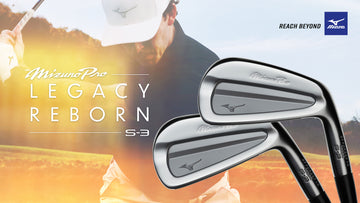
| Form details | Usually a slightly wider sole, more offset/topline | Narrow sole, little offset, thin topline |
| Target audience | Beginners to advanced; consistency and altitude are important. | Excellent ballstriker; maximum control/workability |
Which construction style suits you best?
- Realistically assess the moment of impact: If you spread your shots more often, you benefit from cavity back stability.
- Ball start & ground contact: Wider soles help with "fat" hits; narrow soles glide better with a flat angle of impact.
- Control vs. forgiveness: If you're looking for "shape" and precise feedback, try more compact heads/blades – but compare fairly in the fitting.
- Mixing is possible: Many play combo sets : e.g., long irons as cavity backs, short irons as more compact heads.
Practical tip: Test 2-3 heads with the same lofts and similar shaft weights.
First assess the feel and ground contact, then evaluate the direction/start.
Used irons – browse now
Current stock and specifications at nextclubs:
FAQ
Are cavity backs automatically "higher" and "longer"?
They are more forgiving and maintain a more consistent ball start/tempo during miss hits.
The actual height also depends on loft, shaft profile, and impact moment.
Can advanced users precisely "shape" cavity backs?
Yes – modern cavity backs are very easy to control. Blades provide even more direct feedback, but require extremely clean contacts.
When is a combo set (cavity + more compact heads) worthwhile?
If you want more support in long irons, but maximum control/feedback in short irons.
Is the sole more important than "Cavity vs. Blade"?
For ground contact, yes: sole width, bounce & edge radius determine how the club glides through the grass – definitely test these.
How do I choose the right shaft for my head design?
Weight/profile must match your rhythm – test alternatives in a fitting before you commit.